About the Book
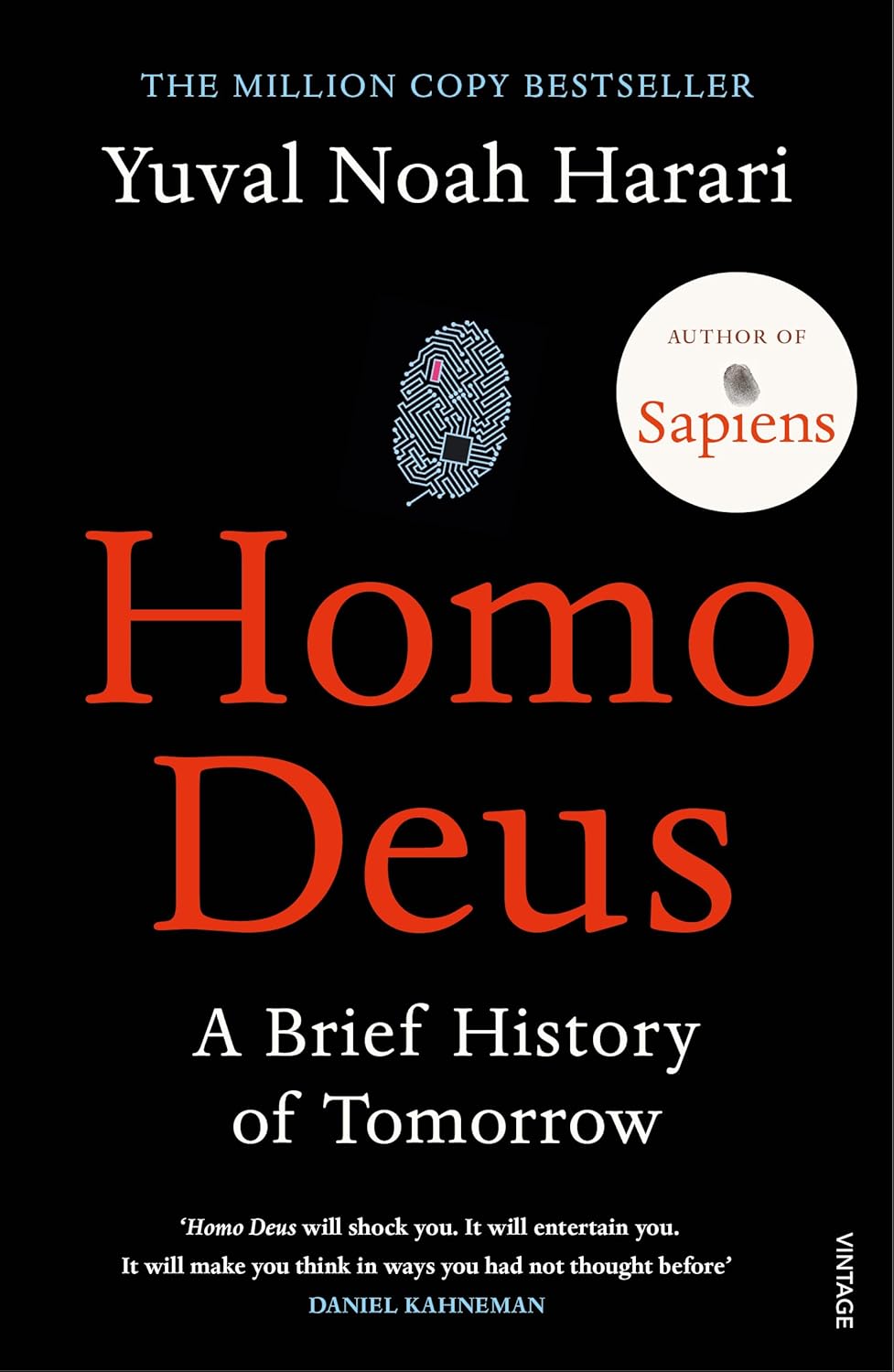
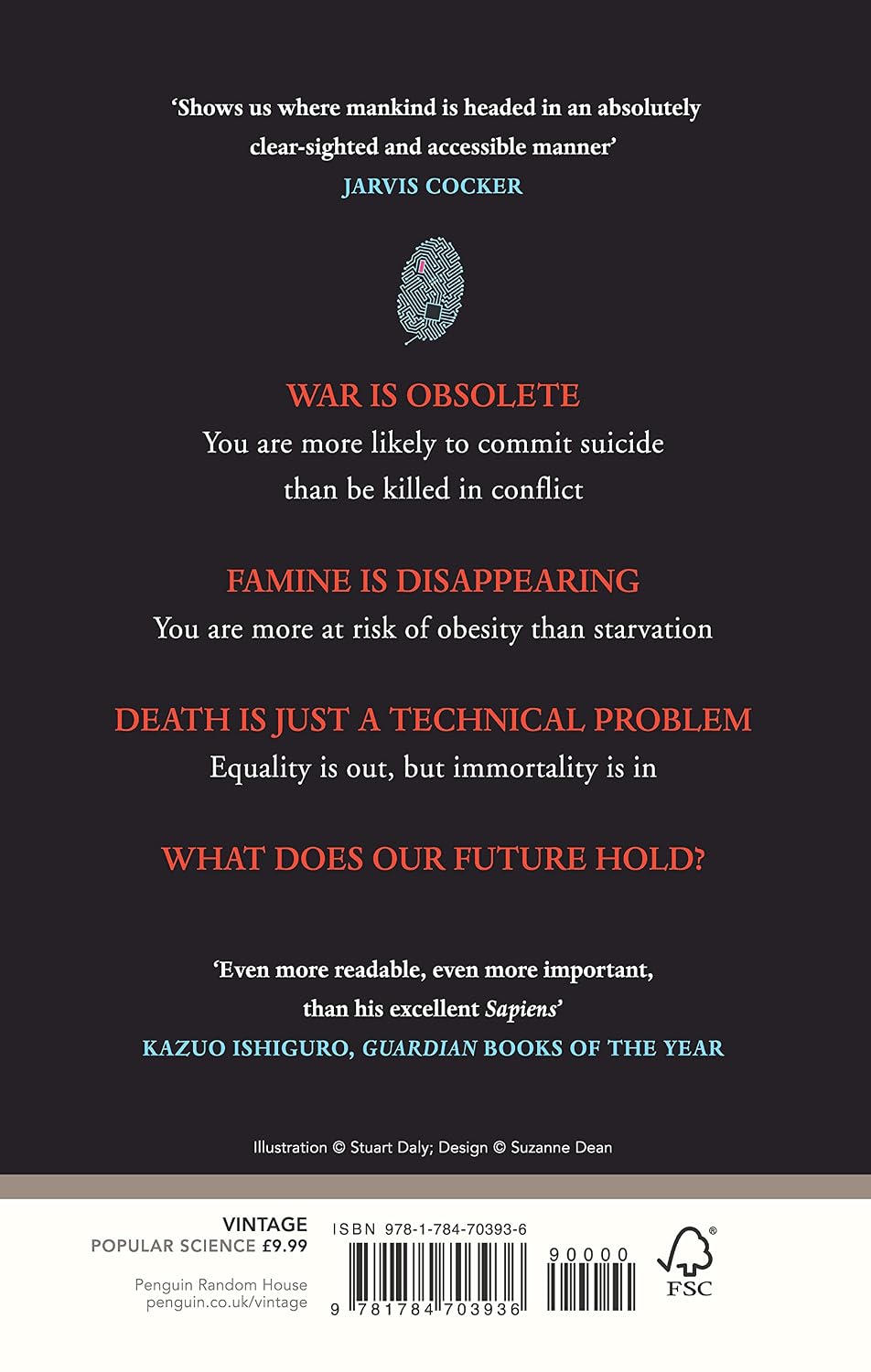
Having covered where humankind came from in Sapiens, Yuval Noah Harari turns to where it’s headed in Homo Deus: A Brief History of Tomorrow. Harari argues that having largely brought famine, plague, and war under control for the first time in history, humanity’s next pursuits will be immortality, happiness, and a form of divinity — enhancing ourselves through biotechnology and artificial intelligence. Along the way, the book explores how data and algorithms may increasingly out-predict human judgment, and what that means for free will, liberal democracy, and the future meaning of being human.
Why Readers Love This Book
- From Yuval Noah Harari, the internationally bestselling author of Sapiens, translated into dozens of languages worldwide
- Described by the Mail on Sunday as “an intoxicating brew of science, philosophy and futurism”
- Tackles AI, biotechnology, and data-driven decision-making years ahead of these becoming mainstream concerns
- Written in the same accessible, big-picture narrative style that made Sapiens a global phenomenon
Who Should Read Homo Deus
For readers of Sapiens who want to look forward rather than back — anyone interested in the future of artificial intelligence, biotechnology, and what happens to human meaning and agency as algorithms take on more decision-making. Recommended for readers 18 and up.
About the Author
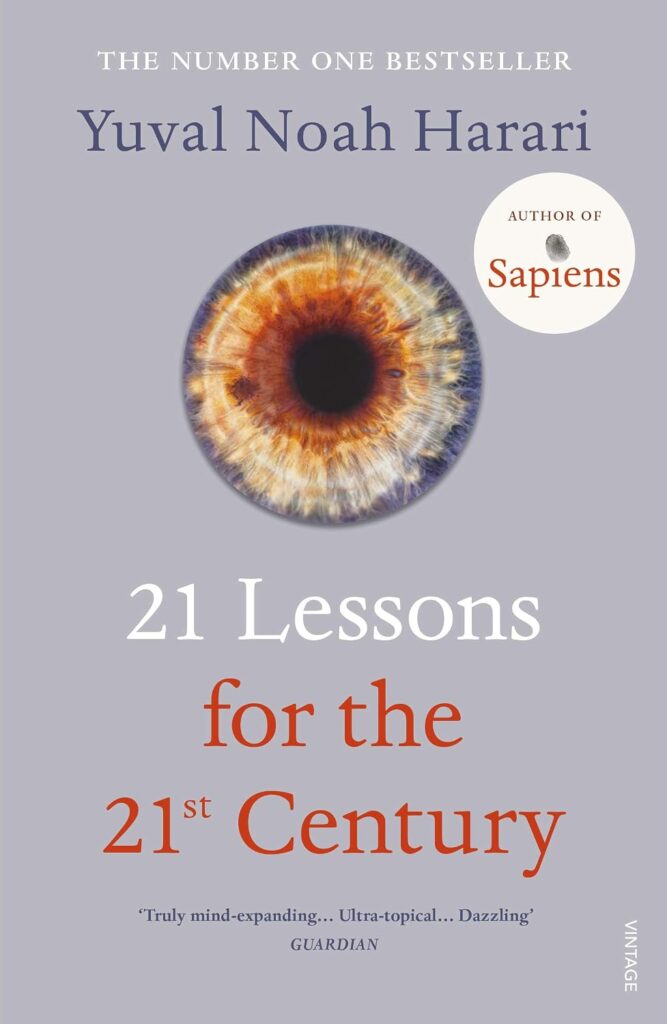
Yuval Noah Harari is a historian and the internationally bestselling author of Sapiens, Homo Deus, and 21 Lessons for the 21st Century, known for translating complex historical and scientific ideas into accessible, big-picture narratives.
Frequently Asked Questions
Do I need to read Sapiens before Homo Deus?
No — Homo Deus works as a standalone book, though it builds thematically on ideas introduced in Sapiens about humanity’s past.
Is Homo Deus about artificial intelligence specifically?
AI and algorithms are major themes, but the book covers a broader look at humanity’s future, including biotechnology, data, and the future of liberal democracy and free will.
Is Homo Deus a work of science fiction?
No — it’s a work of nonfiction, combining historical analysis with informed speculation about future trends in technology and society.
What age group is this book recommended for?
The publisher suggests a reading age of 18 and up, given its complex themes and philosophical content.
Specifications
| Title | Homo Deus: A Brief History of Tomorrow |
| Author | Yuval Noah Harari |
| Publisher | Vintage |
| Publication Date | 23 March 2017 |
| Language | English |
| Binding | Paperback |
| Pages | 528 |
| ISBN-10 | 1784703931 |
| ISBN-13 | 978-1784703936 |
| Reading Age | 18 years and up |
| Weight | 456 g |
| Dimensions | 12.9 x 3.8 x 19.7 cm |
| Genre | Non-Fiction / Science & Futurism |
People Also Ask
Is Homo Deus the sequel to Sapiens?
It’s a follow-up in theme rather than a direct narrative sequel — Sapiens covers humanity’s past, while Homo Deus looks ahead to its possible future.
What is Yuval Noah Harari’s most famous book?
Sapiens: A Brief History of Humankind remains his most widely read work, with Homo Deus and 21 Lessons for the 21st Century following as thematic companions.
Is Homo Deus still relevant given how fast AI has developed recently?
Its core questions about algorithms, data, and human agency have become more relevant as AI has advanced, even though some specific predictions are naturally dated by newer developments.
Reviews
There are no reviews yet.